
Politics is pressure
Define what is allowed, enforced, and tolerated. Your structure shapes loyalty, unrest, productivity, and diplomatic image.
Antropico: Colonies is a large-scale space strategy game where you expand from a single hostile outpost into a multi-world authority. You build real infrastructure on real worlds, shape institutions, and survive the consequences of your own rules.
Start small. Expand across planets, infrastructure, and institutions. Feel the cost of every shortcut.
You build structures on worlds with geography, access, and constraints. Long-term development is not guaranteed, and fully habitable planets are rare.
Populations consume and react. Markets respond to scarcity. Trade moves between worlds. Systems bend under pressure and stay broken until you fix them.
These are not “features”. They’re the things that will quietly destroy you if you ignore them.
Define what is allowed, enforced, and tolerated. Your structure shapes loyalty, unrest, productivity, and diplomatic image.
Build prosperity through energy, consumer supply, heavy industry, services, and the logistics that keeps it connected. Specialization creates efficiency and dependency.
Treaties and blocs are access to markets, legitimacy, protection and time. Aggression and ideological choices trigger reactions: sanctions, restrictions, isolation.
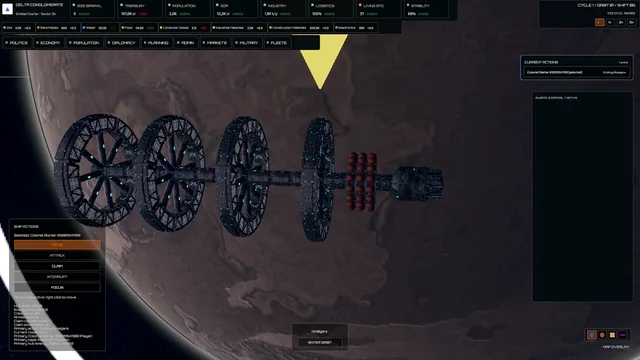
Fleets require industry, logistics, and upkeep. Losses scar the economy that supports them. Raids, blockades, and invasions can break supply networks.
Hand off regions to governors, administrators, or private entities to reduce micromanagement. Delegation makes expansion sustainable. It also creates internal politics.
The simulation exists to make decisions matter over time. When you rely on fragile chains, you feel the tension instead of reading a tooltip.
A simple loop on paper. A mess of consequences in practice.
Start from a single foothold on a hostile world. Build the first production, housing, and stability layers.
Specialize your worlds and keep them supplied. If one world depends on another, the link becomes a strategic asset.
Shape the political structure and decide what power looks like: freedom, planning, security, rights, autonomy, control.
Use diplomacy as access to markets, legitimacy, protection and time. Or burn bridges and pay for it later.
Build fleets through industrial capacity and logistics. Accept that war scars the economy and the society behind it.
Expand beyond micromanagement by delegating authority. Then manage the political consequences of empowering others.
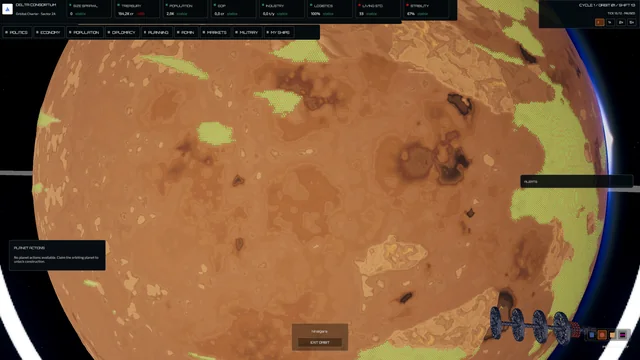
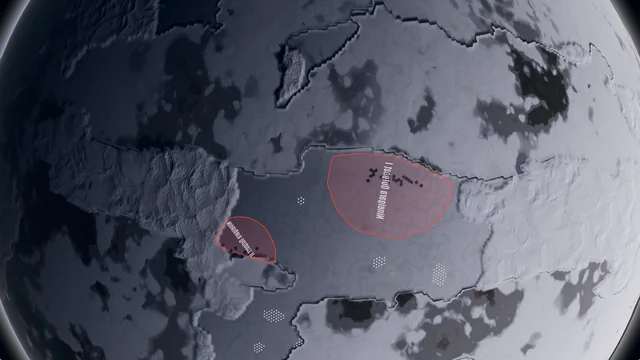
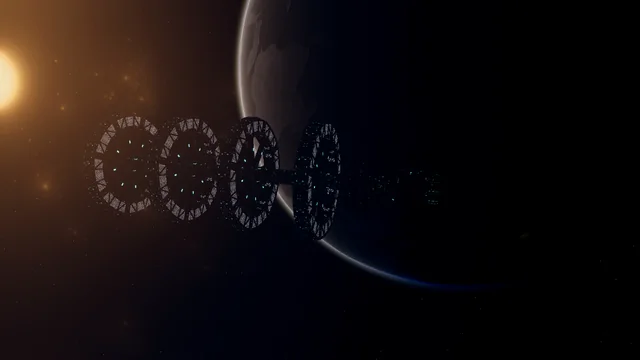
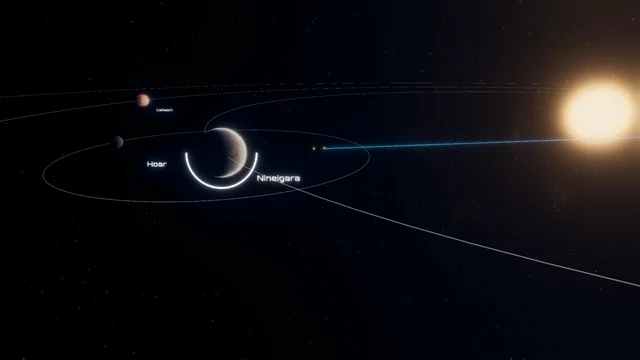
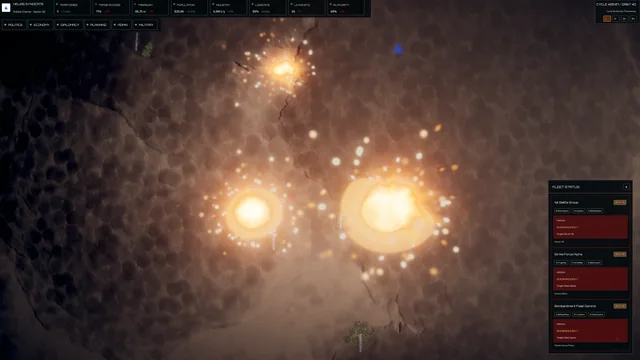
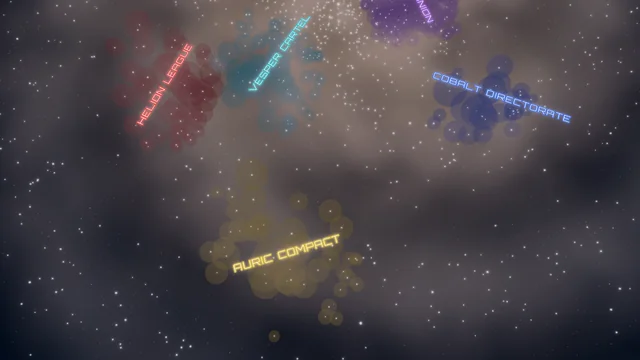
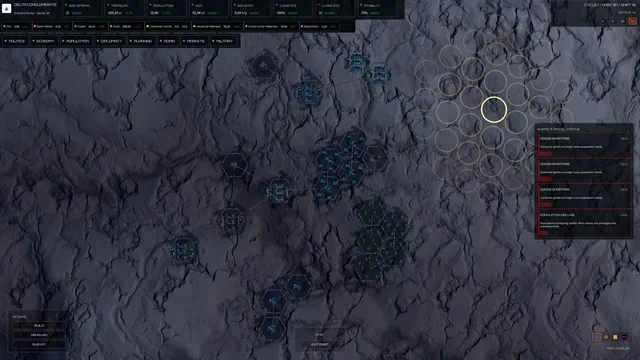
Captured in-development. UI, balance, and values are subject to change. Naturally.

Because humans love clicking a familiar button instead of reading.
Short answers. The long answers are waiting for you in-game.
No scripted ending and no forced victory. You play for survival, dominance, or stability on your own terms.
Yes. Designed as a single-player strategy sandbox.
Planets are mapped at high resolution. A single planet can contain up to 900,000 buildable sectors.
Some worlds can change over time. Most cannot. Fully habitable planets are rare, and securing one reshapes your authority’s scale.
No. You can delegate growth to private corporations and assign regions to AI administrators with strategic goals.
Steam is the main hub: wishlist/follow to get notified when the game becomes available and when updates land.